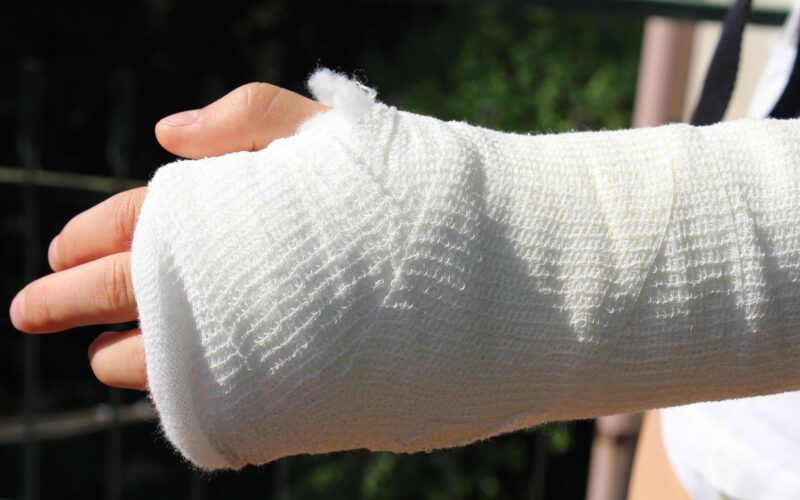
Embarking on a wellness journey alongside a partner is an exciting endeavour. However, progress is rarely a straight line, and unexpected obstacles like injuries or illnesses can abruptly halt momentum. When a workout buddy experiences an interruption to their routine, the emotional toll can be as challenging as the physical limitations. During these difficult periods, companionship becomes essential. Providing assistance requires a delicate balance of empathy, patience, and adaptability. By understanding how to navigate these hurdles together, you can transform a frustrating hiatus into an opportunity to strengthen your relationship and build resilience.
Recognising the emotional impact of physical limitations
The sudden inability to participate in a favoured exercise programme often triggers a grieving process. Fitness frequently forms a core component of daily structure, meaning its absence can lead to feelings of isolation. To offer effective support, it is crucial to validate these negative emotions rather than attempting to fix the situation immediately. Active listening plays a fundamental role; allowing your partner to express frustrations without judgement creates a safe space for processing. Avoid relying on toxic positivity, as dismissive platitudes can inadvertently minimise their genuine distress.
Adapting shared routines to accommodate new boundaries
When one person is side-lined, the dynamic of your shared routine shifts, requiring a reassessment of how you spend time together. Instead of completely abandoning your own workouts, look for creative ways to integrate them into your health-focused lifestyle. If they are dealing with a minor injury, accompany them to the gym and focus on upper-body strength while they complete their prescribed physiotherapy nearby. Alternatively, shift your shared focus towards nutritional goals, spending evenings preparing nourishing meals that support their recovery process.
Shifting focus from physical outcomes to mental well-being
A temporary pause in rigorous training provides an excellent opportunity to explore other dimensions of wellness. Encourage your partner to channel their energy into stress reduction techniques and mental conditioning. You might suggest practising daily meditation, engaging in deep breathing exercises, or exploring mindfulness together. Reading books on sports psychology or listening to athletic recovery podcasts can also help them maintain a connection to their fitness goals. By prioritising mental fortitude, you help them build the psychological resilience needed to return to their physical pursuits eventually.
Celebrating minor milestones during the recovery phase
During a prolonged recovery period, standard metrics of fitness success become irrelevant. It is therefore vital to redefine progress and actively celebrate the incremental victories that occur along the way. Progress might look like completing a full set of mobility stretches without experiencing sharp pain or simply maintaining a positive outlook on a difficult day. Recognising and praising these small achievements helps to rebuild their confidence and reinforces the understanding that healing is an active, ongoing process rather than a passive waiting game.
Maintaining connection through alternative shared hobbies
While fitness may have been the primary activity that bonded you, a setback offers a unique chance to discover entirely new mutual interests. Redirecting your shared leisure time towards low-impact hobbies can prevent the relationship from feeling stagnant. You could dedicate weekends to exploring local museums, attending educational workshops, or engaging in creative pursuits such as painting. This diversification of shared activities provides a much-needed distraction from their physical limitations and deepens your connection, proving that your bond extends beyond the confines of the gym.
Fostering long-term resilience and a unified return
Enduring a fitness setback together can serve as a profound testament to the strength of your partnership. As they gradually regain physical capabilities and receive medical clearance to resume light activity, your role shifts from comforter to careful motivator. It is important to help them temper expectations and resist the urge to rush back into previous intensity levels, which could risk re-injury. By continuing to offer unwavering support and celebrating their gradual return to form, you ensure that the experience leaves you both substantially stronger.